
The Field Is My Temple: Fieldwork is Worship – (Brand Management 82)
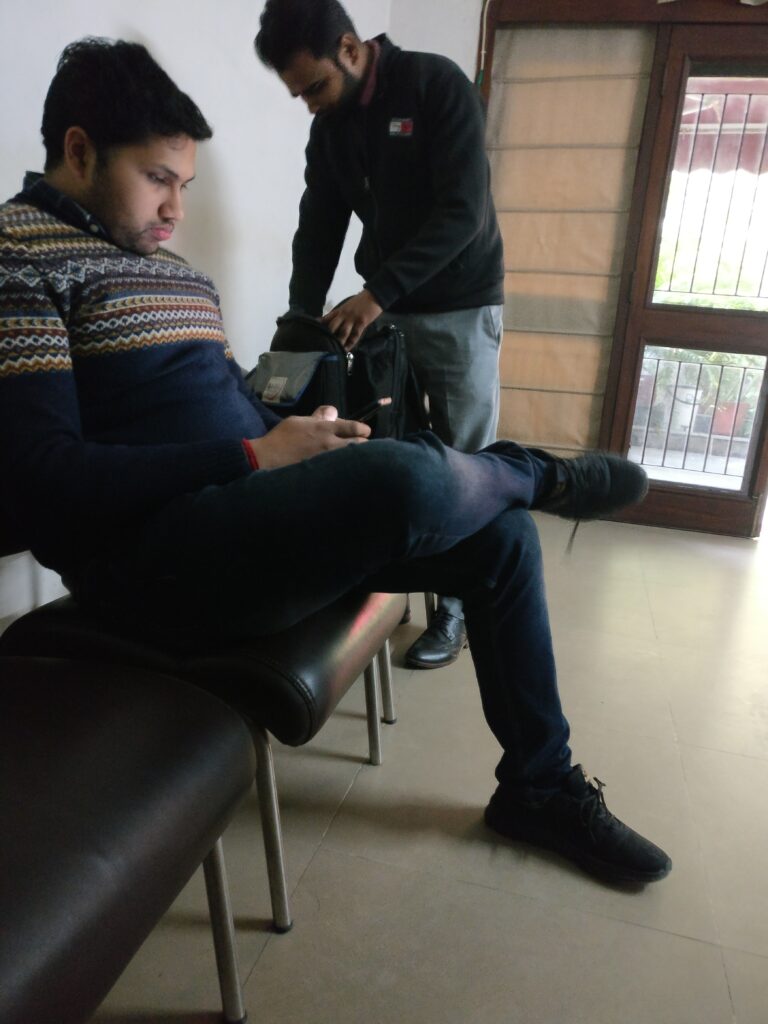
I joined Carter-Wallace Ltd. (India) in 1974 as a medical representative and rose to the position of Sales Manager (West).
Like thousands of young people stepping into the pharmaceutical world, I began my journey with a bag in my hand, a list of doctors to meet, and hope in my heart. I worked hard, learned the basics, and grew through the ranks.
Those early lessons were everything, doctor profiling and Retail Pharmacist Prescription Research (RPPR) taught me how the real world of pharma worked. It wasn’t glamorous, but it was honest. Every visit, every conversation, every prescription counted.
I never had big ambitions. I wanted to be the best in whatever I did. I didn’t dream of titles or corner offices. My only goal was simple, to become a Brand Manager.
The real turning point came soon after my daughter was born. That’s when I got my most cherished role – Brand Manager at Sun Pharma. To me, Maanasi became my lucky child. Her arrival and that opportunity felt like life’s way of saying, you’ve earned this.
The move was technically a step lower in hierarchy. Many industry friends could not understand why I accepted it. But I did not care. Titles never excited me as much as learning did. I had got the work I truly loved.
And I loved every minute of it.
On Laxmi Road, there once stood a well-known retail pharmacy called ‘Africa Drug House’. Its owner, a gentle, fatherly man in his mid-sixties, was very close to me during my days as a District Manager with Carter-Wallace in Pune. This was in the early 1980s.
Later during my field work in Pune as a Brand Manager, I told him that I had joined Sun Pharma. He immediately admonished me, the way only someone who genuinely cares can.
“अरे, आज Sun Pharma मध्ये जॉइन केलंस म्हणतोस? उद्या काय मग Moon Pharma मध्ये जाणार? डोकं ठिकाण्यावर आहे ना रे तुझं?” (Today you have joined Sun Pharma and will it be Moon Pharma tomorrow? Are you mentally deranged). While saying this he expressed both genuine empathy and sympathy. I only smiled.
Becoming a Brand Manager never reduced my love for field work. In fact, it became even stronger. Later, when I headed the marketing and sales functions of two out of the four divisions of an Indian multinational company, I still spent almost a fortnight every month in the field.
Because somewhere along the journey, I realized a simple truth.
My real head office was not the corporate office.
It was the field.
The field is where the truths about your brands are spoken. Not in Excel Sheets. Not inside PowerPoint presentations. Not in conference rooms.
Truth resides in clinics, pharmacies, crowded waiting rooms, railway platforms, roadside tea stalls, and long journeys with medical representatives.
That is where you truly listen.
You listen to doctors speaking honestly between patients.
You listen to retail pharmacists talking about prescriptions, availability, and competition.
You listen to medical representatives sharing their struggles and frustrations.
You listen to first-line managers carrying pressure from both sides.
And often, you even listen to patients. Especially when you wait for hours outside a doctor’s clinic. You hear conversations. You listen to their fears, pain-points, frustrations, financial worries, and family tensions.
They are linked to human lives.
Over the years, my work took me far beyond India.
I worked intensively and extensively in the field in Nepal, Myanmar, Bangladesh, and Tanzania.
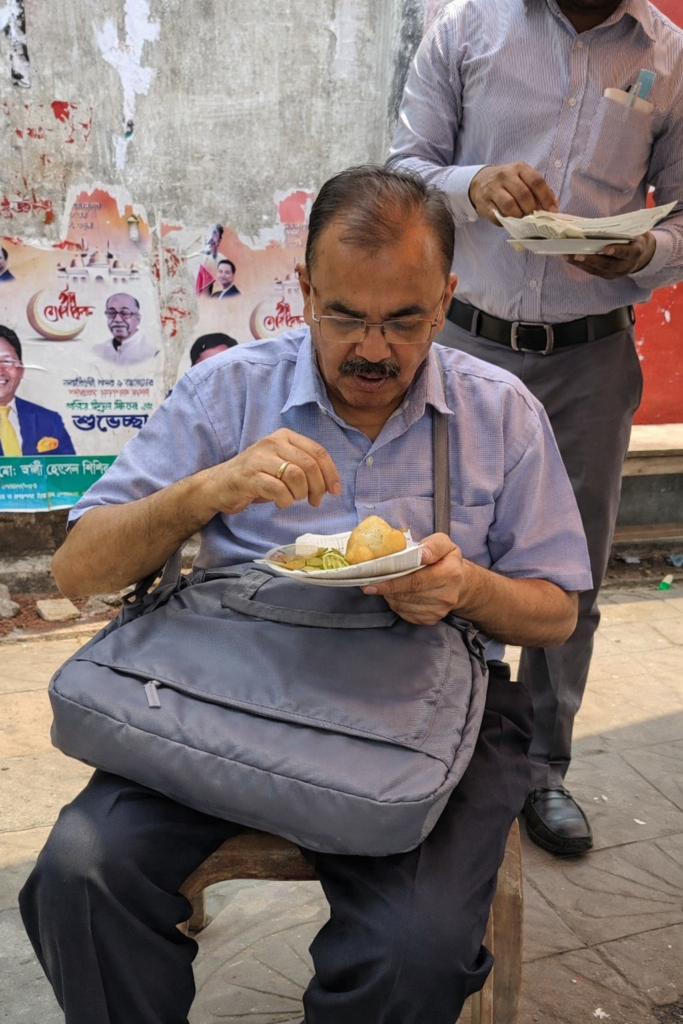
Not just the big cities.
I travelled deep into interiors.
In Bangladesh, I worked for five weeks at a stretch, covering places like Ghazipur and Narsingdi, nearly 77 kilometres from Dhaka.
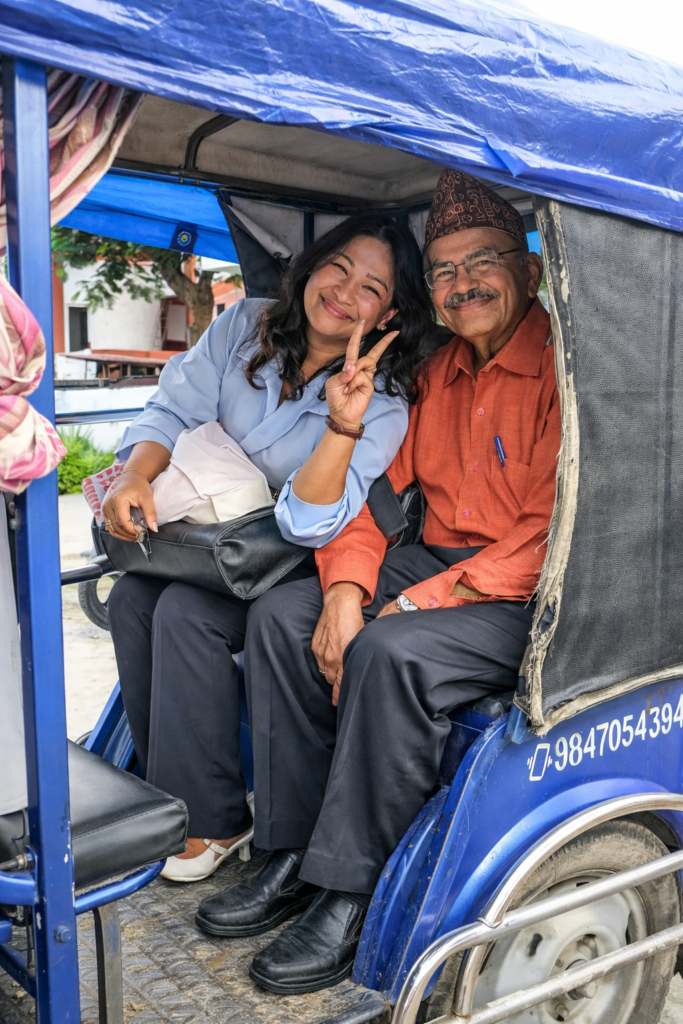
In Tanzania, I spent ten days continuously in places like Morogoro and Dodoma. In Nepal, I worked for a fortnight at a stretch across Biratnagar, Lumbini, Bhairawa, and Dharan.
Long roads. Basic hotels. Delayed transport. Endless discussions. But those journeys became my real management education.
The insights I gathered and the things I listened to helped transform the client companies and the people I later worked with.
But over the years, I also realized something important.
“Insight” is perhaps one of the most misunderstood words in Indian marketing.
Many people mistake data for insight. Others mistake information for insight.
Data tells you what is happening. Information tells you why something may be happening.
But insight is different.
Insight is that moment when something suddenly becomes deeply clear because you have seen it, heard it, and felt it repeatedly in real life.
Almost like a revelation.
For example, a sales report may show that prescriptions are falling. That is data.
A market survey may say doctors are shifting to another brand because of patient affordability. That is information.
But when you sit in a crowded clinic for hours… when you hear a caregiver quietly asking the doctor for a cheaper option… when you watch a retail pharmacist hesitate because patients cannot return for repeat purchases… suddenly the problem stops being a statistic.
It becomes human.
That is insight.
Similarly, many brand managers look at retailers only as trade channels. But spend enough time standing inside a pharmacy store and you realize something deeper.
Retail pharmacists often know patient behavior better than anyone else.
They know which medicines patients quietly stop taking.
They know which strips are bought one tablet at a time because money is short.
They know which brands doctors trust during difficult cases.
Those observations rarely appear in spreadsheets.
But they can completely change the way you build a brand.
True insights are not collected.
They are earned.
And the field is where they reveal themselves.
With great humility, let me share something. I am not exceptionally intelligent. My IQ is just 108. But the field teaches you things that books and reports never can. Over time, it helped me develop emotional intelligence, curiosity, and observation skills. Perhaps that is why some people perceive me as highly intelligent.
My real wealth is my curiosity quotient and my power of observation.Fieldwork teaches humility.
It teaches patience.
It teaches you to see people before numbers.
My experience across sales management, brand management, and people development helped me connect many dots. I could understand strategy. But I could also understand the emotions, heartbeat, and pulse of colleagues in the field.
That combination became one of the biggest strengths of my professional life.
Even today, I strongly believe this:
The field is not a punishment posting.
The field is not the lowest level of management.
It is the greatest classroom in the pharmaceutical industry.
For me, the field is not just my head office.
It is my temple.
A temple of learning.