
Brand Magic – Lessons from the book for Pharma India (Authors Dr. Alan D’Souza and Dr. Prashant Pareek: Published by MICA) –Brand Management 143
By Shailaja Dwivedi Pathak and Vivek Hattangadi

My God! “How bright is the outside world! The sunshine, the green grass, the enormous banyan tree next to the well, sparrows chirping on this and cows resting peacefully under it. Oh wow! I am so happy to see the outside world.”
And this is exactly the feeling you will get when you jump out of the pharma well, understand how brands are built in other industries.
Like Merlin, the authors have shown charm, enchantment and delight in book Brand Magic: The Art and Science of Creating Successful Brands.
The book is authored by Prof. Alan D’Souza, a founding member of MICA, and Dr. Prashant Pareek, a UGC‑NET qualified faculty member currently associated with Shant Business School, Ahmedabad.
What impressed me most was the language. Simplicity marks the entire book. There is no jargon anywhere in these 244 pages.
The book is built around detailed case studies of ten iconic Gujarat‑born brands. Instead of presenting branding as abstract theory, it shows how positioning, integrated marketing communications (IMC), consistency, and entrepreneurial thinking transform ordinary products into beloved brands.
The stories I enjoyed most were Amul, today a ₹1‑lakh‑crore brand, Sugar Free, which virtually owns its category; Havmor Ice Creams; and Wagh Bakri Tea, my favourite tea.
For a young brand manager, the stories of Amul, Sugar Free, Havmor, and Wagh Bakri Tea offer four very different, yet beautifully complementary, masterclasses in brand building.
1. Amul: Build a Brand That Belongs to the People
The biggest lesson from Amul is that brands are built through trust, consistency, and cultural relevance, not merely through advertising.
Amul never sold only butter, cheese, or milk. It sold the confidence that every Indian family could rely on quality products from a cooperative owned by millions of farmers. This gave the brand an emotional foundation that competitors found difficult to imitate.
Perhaps the greatest branding achievement is the famous Amul Girl campaign. For over five decades, Amul has commented on politics, sports, cinema, international events, and everyday life using wit and humour. Every advertisement keeps the brand fresh while maintaining the same visual identity and personality.
The story behind the Amul mascot – the Amul Girl
Sylvester D’Cunha, then the young advertising head at ASP (Advertising & Sales Promotion Co.), was searching for a symbol that could speak to every Indian without saying a word.
He didn’t want a glamorous model. He didn’t want a foreign‑looking cartoon. He wanted a child, because children tell the truth without fear.
And one day, almost casually, almost magically, he sketched a little girl.
Round face. Bright eyes. Blue hair ribbon. Polka‑dot frock. A slice of butter in her hand.
She wasn’t perfect. She wasn’t polished. But she was alive.
Sylvester looked at her and felt something shift inside him, a sense of mischief, innocence, and courage all at once.
He showed the sketch to his colleague, the brilliant illustrator Eustace Fernandes, who refined her lines, softened her smile, and gave her that unmistakable twinkle.
And suddenly… she was real.
All because Sylvester believed that truth sounds sweeter when spoken by a child.
The Amul Girl was born.

Lessons for a Young Brand Manager
- Build a brand personality, not just a product.
- Consistency creates memory. Change campaigns, but don’t keep changing the brand.
- Participate in consumers’ conversations instead of interrupting them.
- Trust compounds over decades.
- Integrated Marketing Communication works best when every communication strengthens the same positioning.
A young brand manager should remember:
Advertising should not merely sell today’s product. It should build tomorrow’s memory.
2. Sugar Free: Create a Category Before You Create a Brand
Sugar Free did something remarkable.
It did not simply compete with sugar substitutes.
It educated India about an entirely new lifestyle.
Initially targeted towards diabetic patients, the brand gradually expanded its relevance to fitness enthusiasts, calorie-conscious consumers, weight-watchers, and health-conscious families. Instead of remaining a medical product, it became a symbol of healthy living.
This is one of the finest examples of category expansion.
Consumers no longer asked for “artificial sweetener.”
They asked for Sugar Free.
The brand became almost synonymous with the category.
Lessons for a Young Brand Manager
- Sometimes your biggest competitor is consumer ignorance.
- Education is often more important than promotion.
- Build occasions for usage rather than merely increasing usage.
- Position the product around benefits, not ingredients.
- A successful brand evolves with changing consumer lifestyles.
Sugar Free demonstrates that branding is not about shouting louder than competitors.
It is about making consumers think differently.
3. Havmor: Sell Happiness, Not Ice Cream
Many companies manufacture ice cream.
Havmor built memories.
The founders consistently focused on product quality, innovation, customer experience, and family bonding.
An ice cream purchase is rarely a necessity.
It is usually associated with celebration, reward, holidays, festivals, childhood memories, birthdays, friendships, and family outings.
Havmor understood this emotional truth.
Instead of selling frozen desserts, it sold joyful moments.
The company continuously introduced new flavours while preserving its heritage and reputation for quality. Eventually, this strong brand equity made Havmor attractive enough to be acquired by a global player while retaining its identity.
Lessons for a Young Brand Manager
- Consumers remember experiences longer than features.
- Innovation keeps a mature brand young.
- Emotional benefits often outweigh functional benefits.
- Superior products become brands only when consumers associate emotions with them.
- Never compromise quality while pursuing growth.
The Havmor story reminds young marketers that:
People rarely become loyal to products. They become loyal to experiences.
4. Wagh Bakri Tea: Preserve Heritage While Remaining Contemporary
Tea is one of India’s most competitive categories.
Price competition is intense.
Consumer loyalty is difficult.
Yet Wagh Bakri built a premium, respected national brand.
Its success came from balancing two seemingly opposite animals in their emblem.
The story of the emblem – The original Wagh Bakri Tea emblem depicts a tiger (Wagh) and a goat (Bakri) peacefully sharing a cup of tea. At a time when society was divided by class, caste, and status, the emblem conveyed a powerful message—that tea has the ability to bring people together as equals. Inspired by values of harmony, mutual respect, and inclusiveness, the symbol transformed a simple beverage into a timeless expression of friendship, unity, and shared human connection.

The simple concept behind this is redrawn
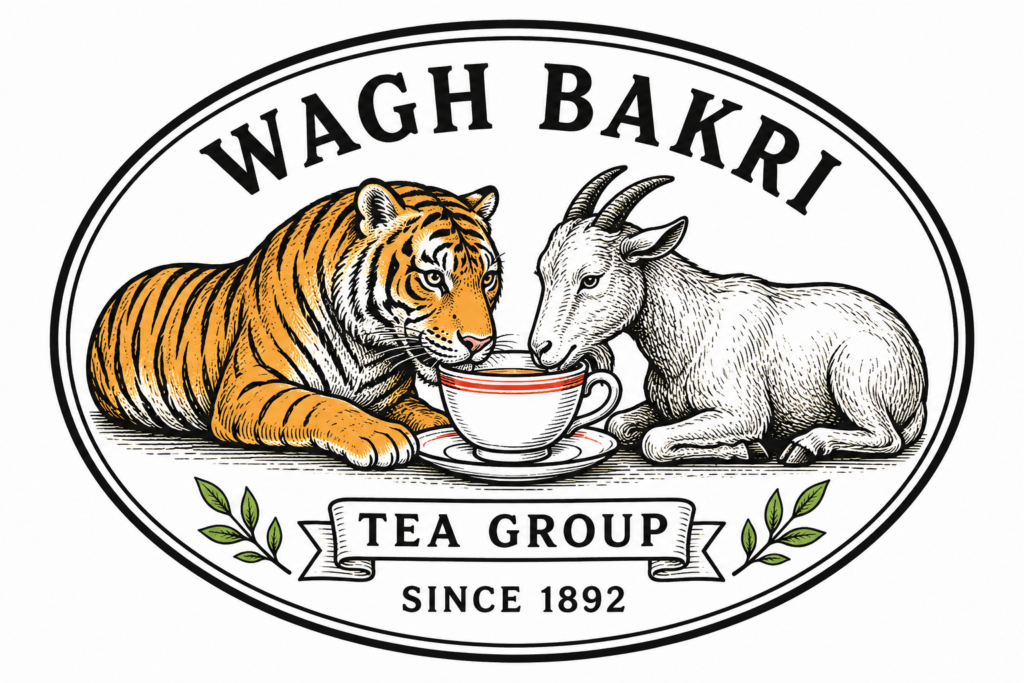
A Wagh (Tiger) and Bakri (Goat) sipping tea from the same cup
The brand consistently positioned itself around family togetherness, hospitality, trust, and relationships.
Tea became more than a beverage.
It became an excuse for conversations.
An invitation.
A relationship builder.
The famous communication around “Tea. Conversation. Togetherness.” strengthened this positioning.
Instead of merely discussing taste, aroma, or price, Wagh Bakri highlighted the emotional role tea plays in Indian homes.
Lessons for a Young Brand Manager
- Find the emotional meaning behind everyday products.
- Heritage should be an asset, not a limitation.
- Brand values should remain constant even when communication evolves.
- Premium positioning comes from perceived quality and trust—not simply higher prices.
- Strong family-oriented communication creates long-term loyalty.
Young brand managers often chase novelty.
Wagh Bakri teaches the value of preserving authenticity while remaining relevant.
The Common Thread Across All Four Brands
Although these brands belong to completely different categories, they share several common principles.
1. They solved meaningful consumer problems.
- Amul solved trust.
- Sugar Free solved healthier sweetness.
- Havmor solved the desire for joyful indulgence.
- Wagh Bakri solved the need for trusted everyday tea.
2. They built emotional connections.
Consumers don’t merely purchase products.
They purchase feelings.
- Pride
- Health
- Happiness
- Togetherness
3. They maintained remarkable consistency.
Successful brands do not reinvent themselves every year.
They evolve while protecting their core identity.
4. Communication reinforced positioning.
Every advertisement, package, slogan, and consumer interaction strengthened the same central promise.
This is the essence of Integrated Marketing Communication, a recurring theme in the book.
5. They played the long game.
None of these brands became iconic overnight.
Their equity was built patiently over decades through thousands of small, consistent decisions.
